




Welcome to South Tyrol, welcome to San Vigilio Dolomites!
Our destination, nestled in the heart of the Dolomites, a UNESCO World Heritage Site, is ready to host the World Championship of the Styrian Accordion, returning to South Tyrol after 19 years. It is a great honour for us to welcome an international event that brings together people from different cultures, united by their passion for music.
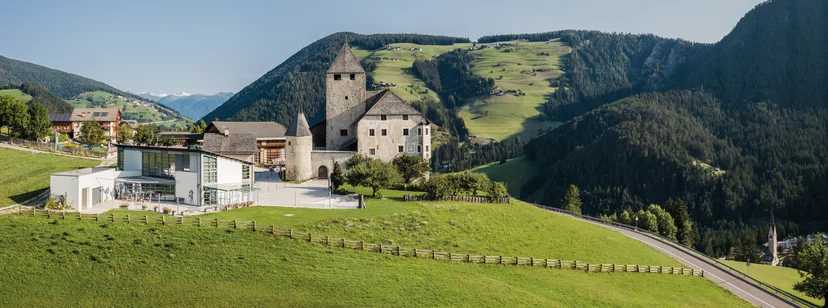
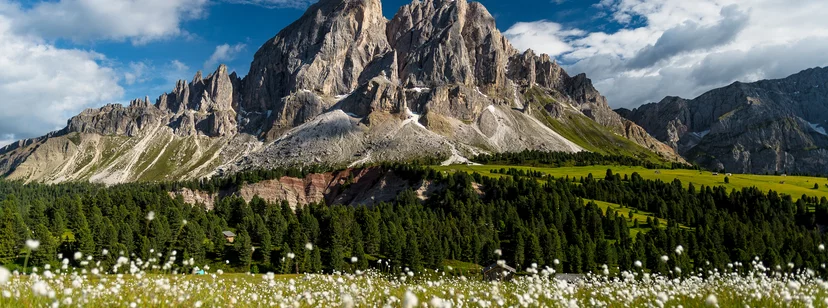
San Vigilio Dolomites is a special place, where nature preserves its authenticity. More than half of the territory is protected and includes the Fanes Senes Braies and Puez Odle Nature Parks. Among mountains, forests and valleys rich in biodiversity, visitors can experience direct contact with a unique natural environment, also along easy trails close to the villages.
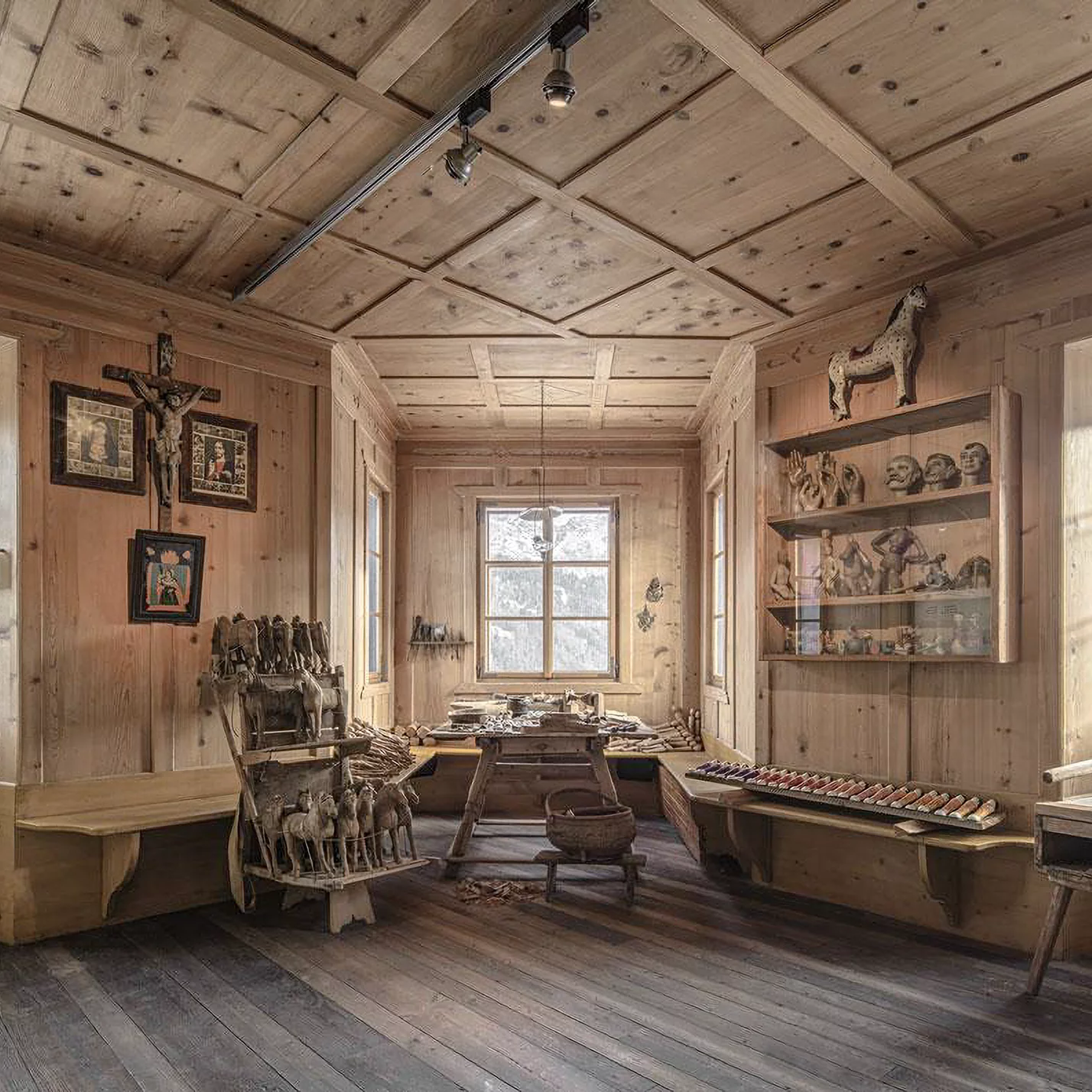
This natural setting is deeply intertwined with Ladin culture, which has been present for over two thousand years in the municipalities of San Vigilio and San Martin, where language and traditions are still very much alive. During your stay, we invite you to discover the area with curiosity, meet the local community and take part in authentic and meaningful experiences. And above all: enjoy the music!


Here you will find useful points of interest to help you find your way around during the event days.

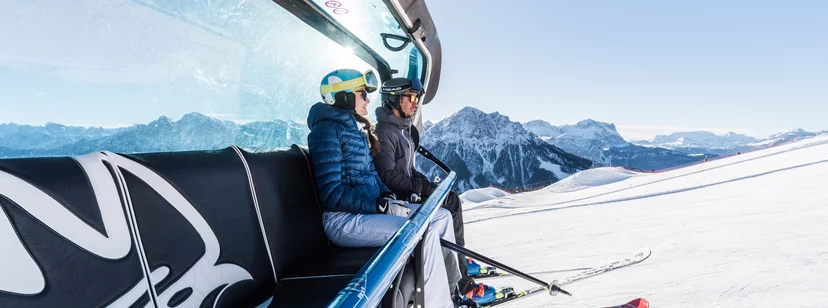
From relaxing activities to adrenaline filled adventures, our destination offers a wide range of experiences to make your stay even more enjoyable. With the purchase of a ticket for any day of the World Championship, you will receive a voucher for the Spring Special, our spring activity offer.
The voucher allows you to take part in guided hikes and experiences either free of charge or at a greatly reduced price, as well as to access museums, the Zipline, the Owl Park and much more.
Discover the full list of offers on our website.

As guardians of a history and culture dating back more than two thousand years, the Ladins have accompanied the political, geographical and cultural evolution of the Dolomites. The Ladin valleys, a meeting point between the German speaking world, Italy and Mediterranean cultures, have developed a strong identity of their own.
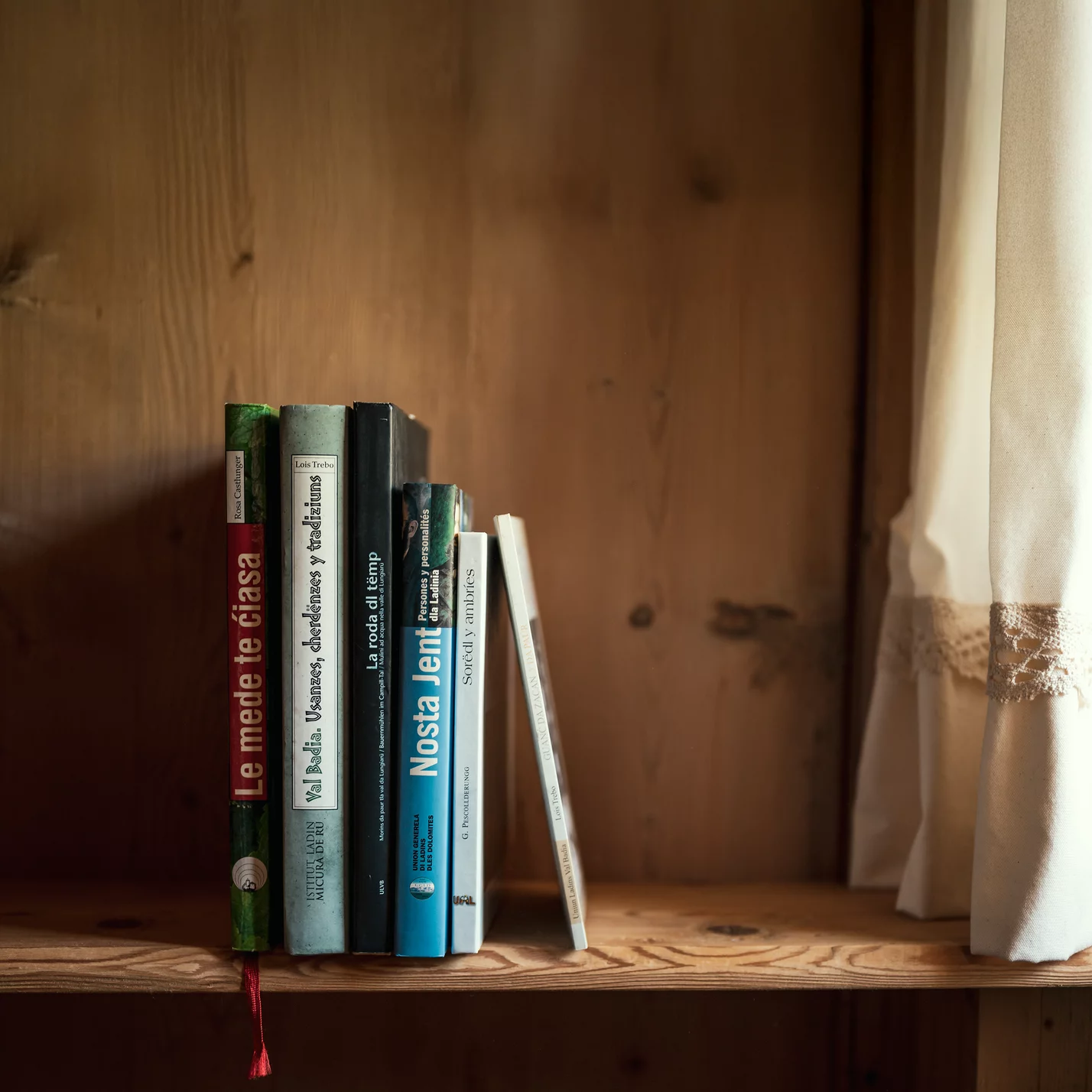
The Ladin language belongs to the Rhaeto Romance group, together with Swiss Romansh and Friulian. It is spoken in several valleys across South Tyrol, Trentino and Veneto, including Val Badia and Val Gardena.
Despite political and administrative changes, Ladin culture has preserved its continuity, also thanks to the valley landscape, which has favoured the conservation of the language and its local variants. Today, Ladin is protected and used alongside Italian and German in administration, schools and everyday life.
Gastronomy is an integral part of Ladin identity. It is a cuisine of rural origin, linked to alpine pasture ingredients, preservation techniques and seasonality. Simple and nourishing, it was based on livestock products and on what the land provided: flour, potatoes, eggs and dairy products. These essential foods helped sustain the work in the fields.

The close relationship that the local population had to establish with the surrounding natural environment strongly influenced the very structure of the picturesque villages, scattered across valleys and sunny slopes.
The basic element of Ladin settlement is the “Vila”. This is a rural hamlet made up of several farmsteads located close to one another, a form of settlement that encouraged cooperation and the shared management of resources.
Each Vila had its own fields and at least one shared oven and fountain, around which the houses were arranged. These were largely self sufficient micro communities, where rural life found its centre.

Another fundamental element of Ladin culture, shared across all the valleys, is a strong tradition of storytelling, especially through legends.
The Rëgn de Fanes is the most emblematic cycle, as it takes the form of an epic, with origins, heroes, trials, betrayals and a final promise of return. For centuries, the saga was passed down orally. Elders told it to children, adding and changing elements in a continuous process of construction and transmission.
It was Karl Felix Wolff who made it “readable” for modern audiences. A journalist and scholar active between the late nineteenth and early twentieth centuries, Wolff collected and reworked many Dolomite traditions, helping to set down in written form the narrative heart of this extraordinary expression of creativity.

The Fanes Senes Braies Nature Park features a typical Dolomite landscape, with vast areas of great scientific interest due to their complex geomorphology. One of its key features is the Fanes and Senes plateaus, where karst phenomena are particularly evident.
This is the process by which water carves channels, fissures and caves into the limestone rock that makes up much of the plateau. In this terrain, almost resembling Swiss cheese, streams flowing down from the mountains can disappear underground and re emerge further down the valley only after many kilometres.
This environment is very rare and creates a unique biodiversity. Many animal and plant species have adapted to these special conditions. Ibexes, marmots, salamanders and edelweiss are just some of the park’s inhabitants that, with a little luck, you may encounter if you walk with care and respect.

The Puez Odle Nature Park lies between Passo delle Erbe in the north and Passo Gardena in the south. To the east, it extends as far as Val Badia, including Longiarù and Antermoia, while to the west it reaches the valleys of Funes and Gardena.
From a landscape perspective, it combines broad plateaus, such as Puez and Gardenaccia, with highly distinctive rock formations and iconic peaks such as Putia. Along the slopes of Putia in particular, the geological character of the Dolomites is perfectly visible.
If you look closely, you can recognise clear rock layers with different colours, each indicating different periods in the history of these mountains. It is no coincidence that the park is known as “The Geological Book of the Earth”.

