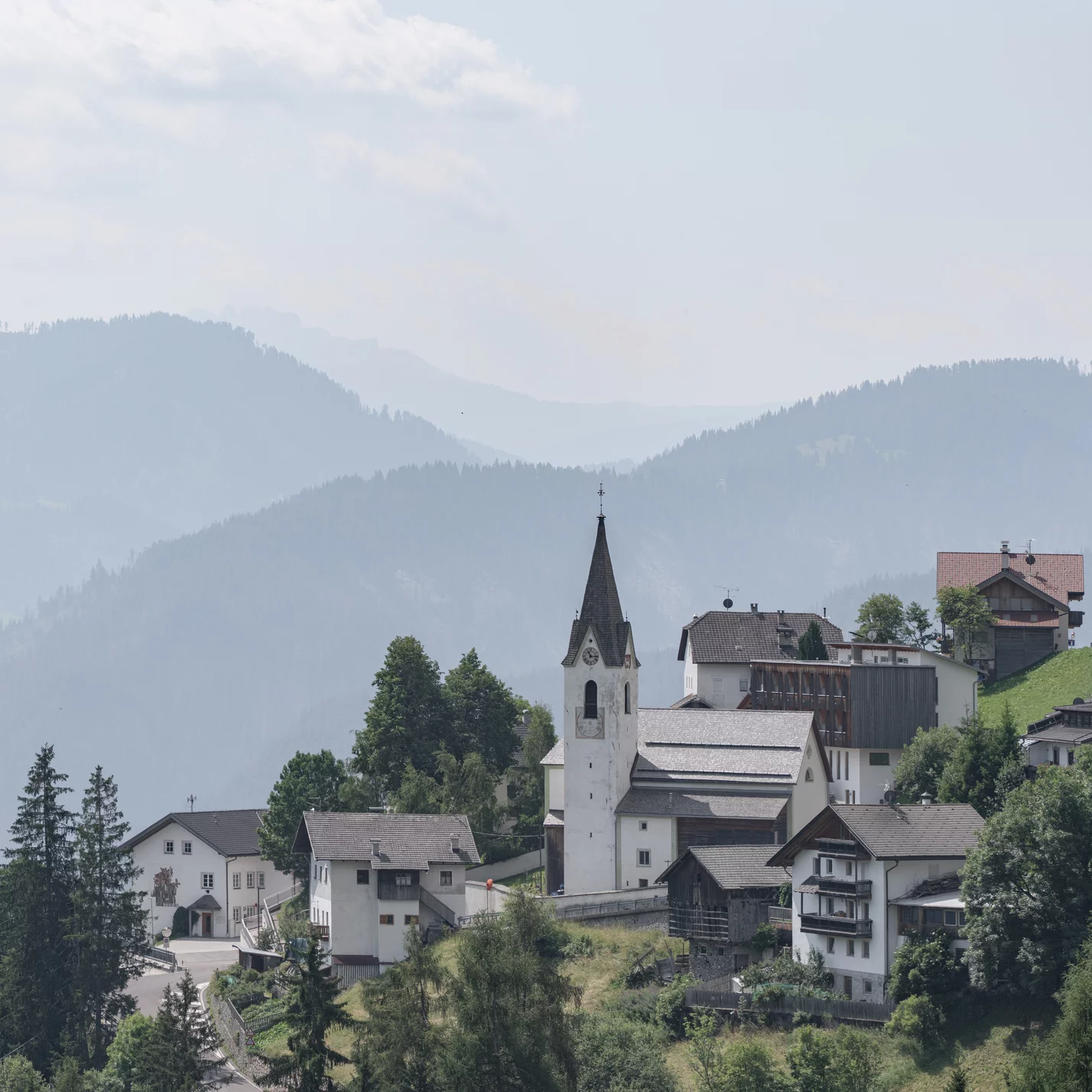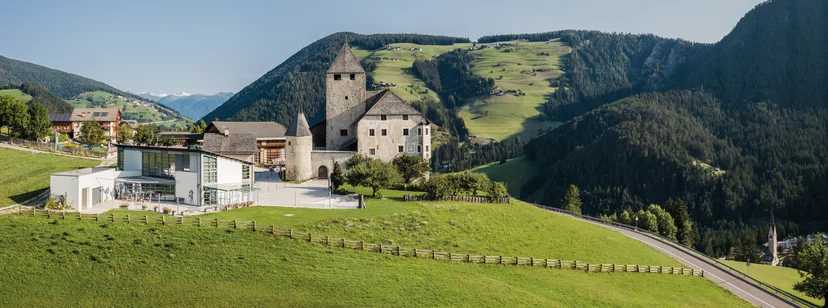


La Pli de Mareo, known in Italian as Pieve di Marebbe, is the oldest and most historically rich center in the entire Val Badia. Its name derives from the parish church, one of the most renowned Marian sanctuaries in all of South Tyrol, dedicated to Our Lady of Good Counsel. It is still a place of pilgrimage today and, in the past, served as the religious center of the entire valley.
The village is considered the cradle of Ladin culture. Within the walls of the ancient houses that embellish its small historic center, valuable works of art are preserved, some dating back to the Renaissance. The approximately 700 inhabitants of Pieve have managed to maintain the village’s rural character, which has become increasingly rare in areas with a strong tourism vocation.
Surrounding the heart of the village, laid out in a square with the church, rectory, school, and the “Granciasa” — a medieval noble residence — at its corners, are numerous small clusters of houses. These groups of three or four houses are scattered across the slopes of the Marebbe valley and are known in Ladin as “Viles.” In the past, they were nearly self-sufficient settlements, with their own fields, an oven, and a fountain, where rural life unfolded season after season.
Even today, life here follows a different rhythm. La Pli is the perfect place for those seeking relaxation, unspoiled nature, and the delicate flavors of traditional Ladin cuisine.

Marebbe’s sacred heritage is reflected in the numerous churches, chapels, and roadside shrines that dot the viles, the trails, and the symbolic places of the area. Each building preserves a story of faith, often linked to miraculous events, acts of gratitude, or tragedies that were overcome.
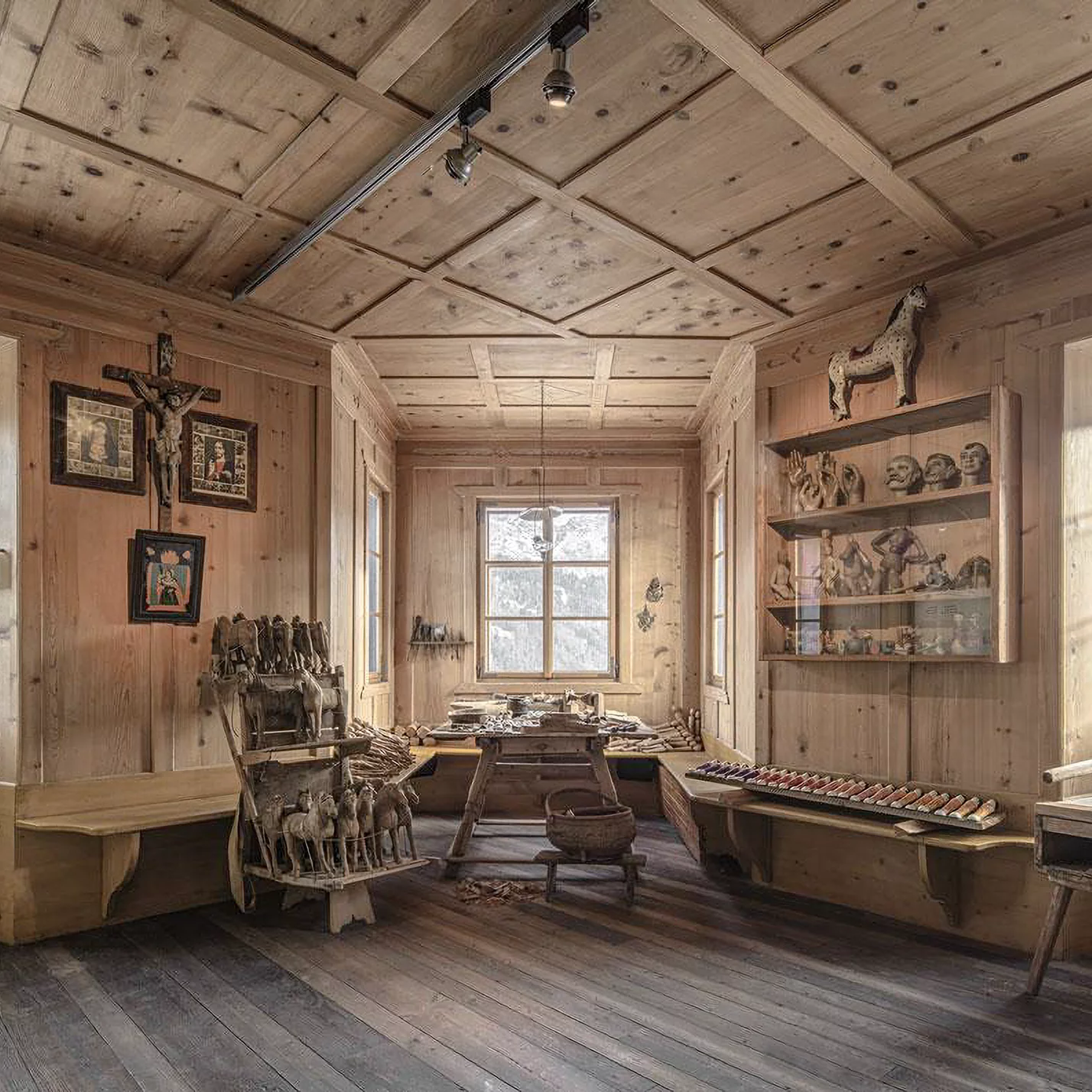
Inside, visitors can admire Baroque altars, ancient statues, votive paintings, frescoes, and crucifixes that reflect the style of renowned local craftsmen and artists such as Bartolomäus Rungger, Anton Rungger, and Matthäus Günther. Some chapels contain rare representations of the Trinity or the Stations of the Cross, while others are connected to historic processions, such as the one in Monguelfo.
Every visit thus becomes a small cultural pilgrimage through architecture, devotion, and Ladin identity, where the beauty of sacred art blends seamlessly with the Alpine landscape.
All the churches and chapels
The viles of Marebbe represent a cultural and landscape heritage that is truly unique. Scattered across the slopes and valley floor, from Frontü to Rara, from Costa to Fordora, they tell an ancient story shaped by traditions, rural life, and architectural forms that blend harmoniously with the Alpine landscape.
Each vila preserves its own distinctive features: old wooden farmhouses, chapels, ovens, and granaries that have survived through the centuries, as well as human stories tied to families, historic surnames, and individuals who have left their mark on the valley.
Walking through these hamlets, many of which are still inhabited today, is like leafing through an open-air book that reveals the authentic soul of the Ladin Dolomites. The viles are not just places to visit: they are living witnesses of a culture that continues to endure and renew itself.
All the Viles
La Pli de Mareo, in the heart of the Dolomites, has undergone a fascinating evolution. Originally, life in the village revolved around mountain agriculture and craft activities developed along waterways, with mills and sawmills powered by water, bearing witness to a centuries-old rural tradition.
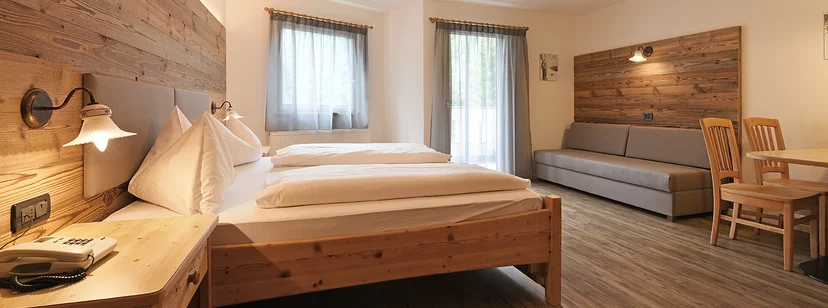
Today, the village also has a strong tourism vocation and welcomes visitors with both professionalism and warmth. Scenic walks through unspoiled Alpine landscapes, the authentic flavors of Ladin cuisine, and the genuine hospitality of the local community offer an unforgettable experience.
Despite this development, La Pli de Mareo has preserved its authentic soul, combining tradition and nature to make every guest feel at home, immersed in an atmosphere of Alpine tranquility.

Pieve di Marebbe enchants visitors with its understated charm and its panoramic position above San Vigilio. An ideal starting point for discovering the ancient viles, historic trails, and rural architecture of the valley, the village welcomes visitors with its picturesque square and Gothic church.
The routes that start from – or pass through – Pieve lead to charming locations such as Curt, Brach with its castle, Fordora, La Munt, Costa, and Ras, each with its own identity and a deep connection to Ladin history.
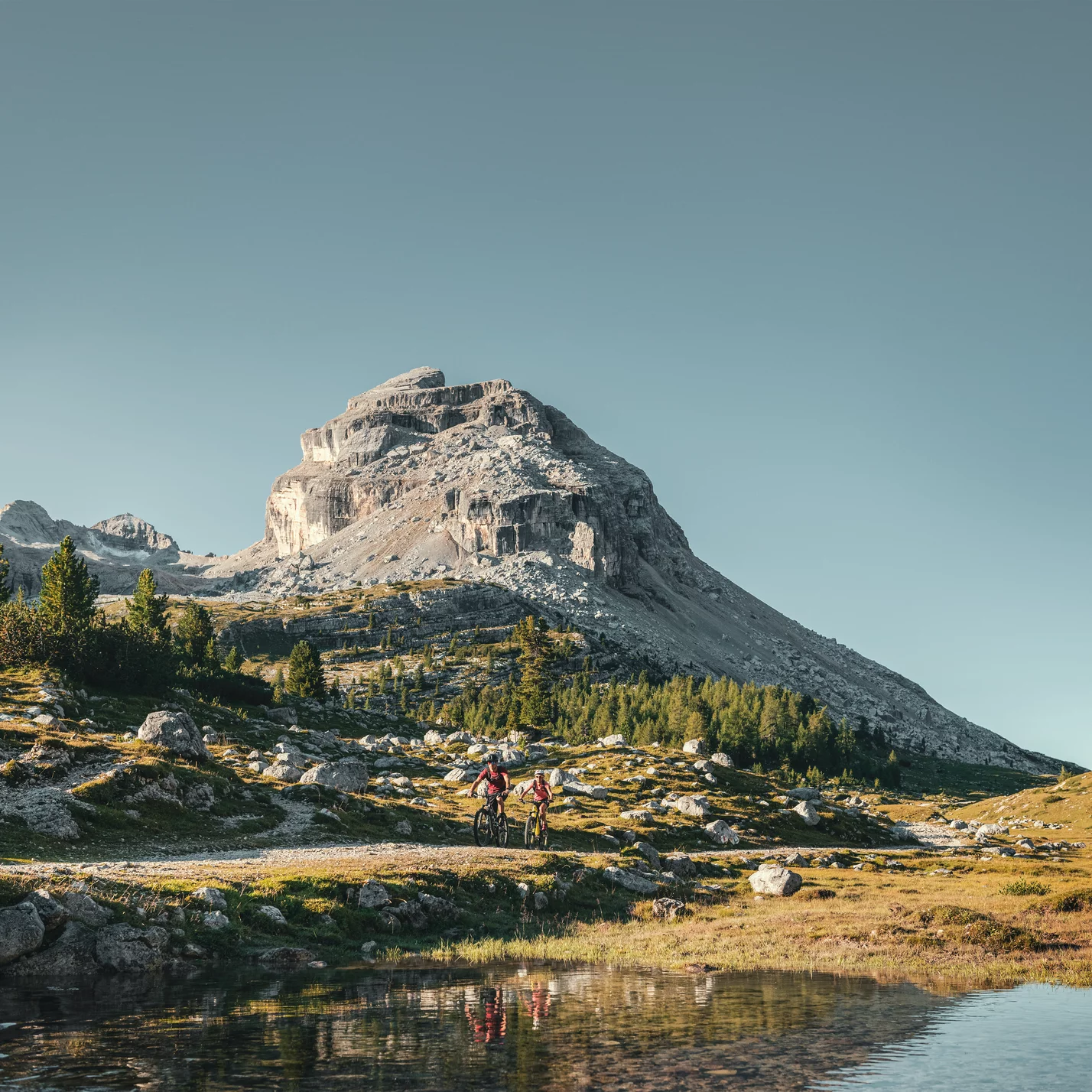
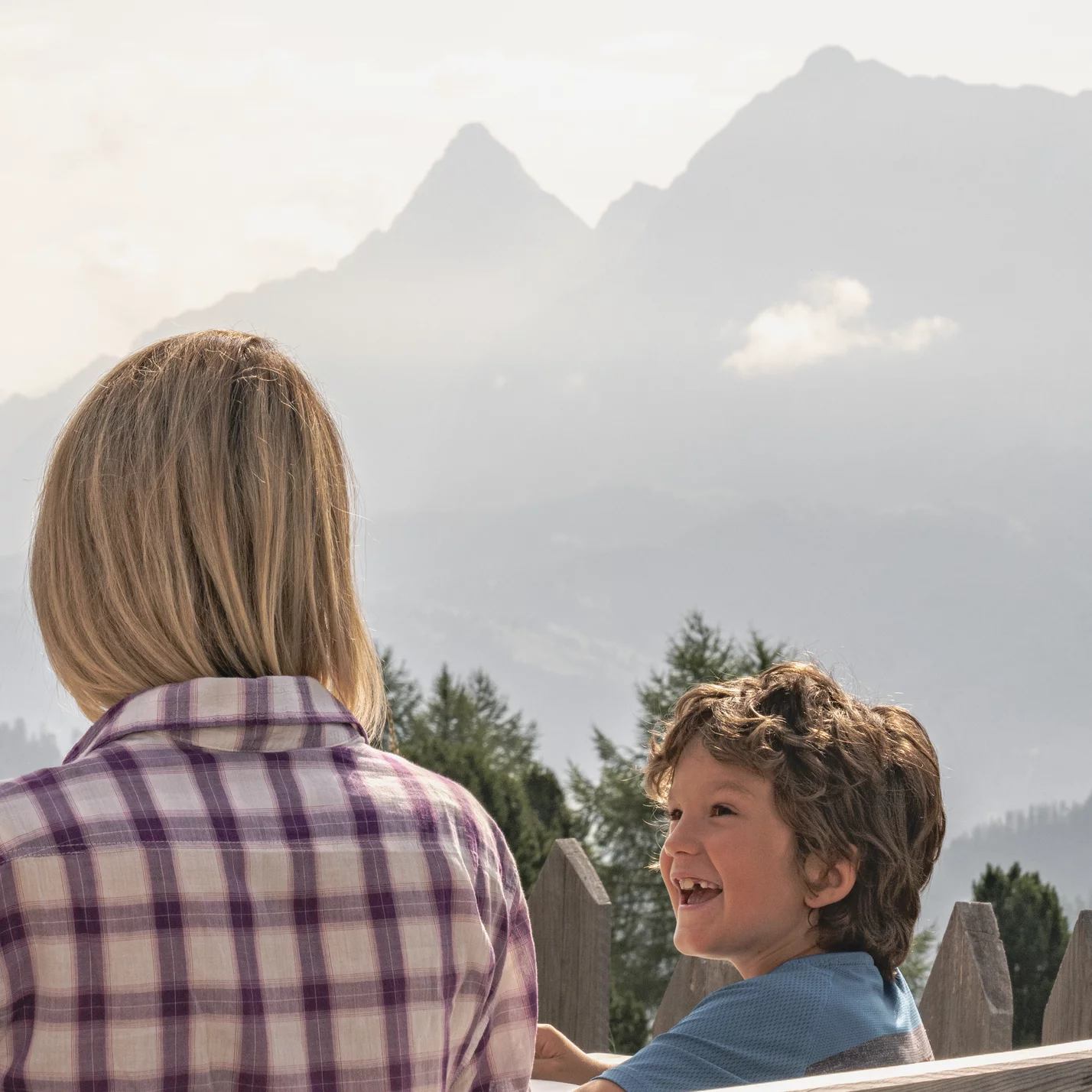
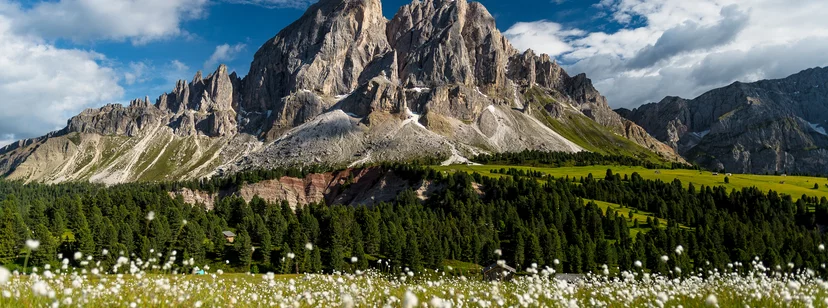
Along the way, spectacular views open up over Val Badia, San Vigilio, and the surrounding peaks, through quiet forests, flower-filled meadows, and traditional wooden farmhouses.
Whether it is a cultural walk among the historic viles or a more demanding hike up to Furcia, every route offers an authentic immersion into the spirit of the place.
To the walking routes To the cycling routes
Among the silent valleys and enchanted forests of the Ladin Dolomites, the story of an extraordinary knight has been passed down through generations: the Gran Bracun. Born in the castle of Marebbe and raised with honor and courage, he became a symbol of justice and hope for his people.
His deeds – including duels, prodigious leaps, and battles against dragons and bandits – intertwine with legend, creating an epic tale that still lives on today in the memories of the Ladin people.
It is a journey between history and myth, where reality is cloaked in wonder and the past continues to speak to the hearts of those who listen.
To the story Other legends


“Finanziato tramite Avviso pubblico per la presentazione di Proposte di intervento per la rigenerazione culturale e sociale dei piccoli borghi storici, da finanziare nell’ambito del PNRR, Missione 1 "Digitalizzazione, innovazione, competitività e cultura", Componente 3 "Turismo e Cultura 4.0" (M1C3), Misura 2 “Rigenerazione di piccoli siti culturali, patrimonio culturale, religioso e rurale”, Investimento 2.1 “Attrattività dei borghi”, finanziato dall’Unione europea - NextGenerationEU e gestito dal Ministero della Cultura”.